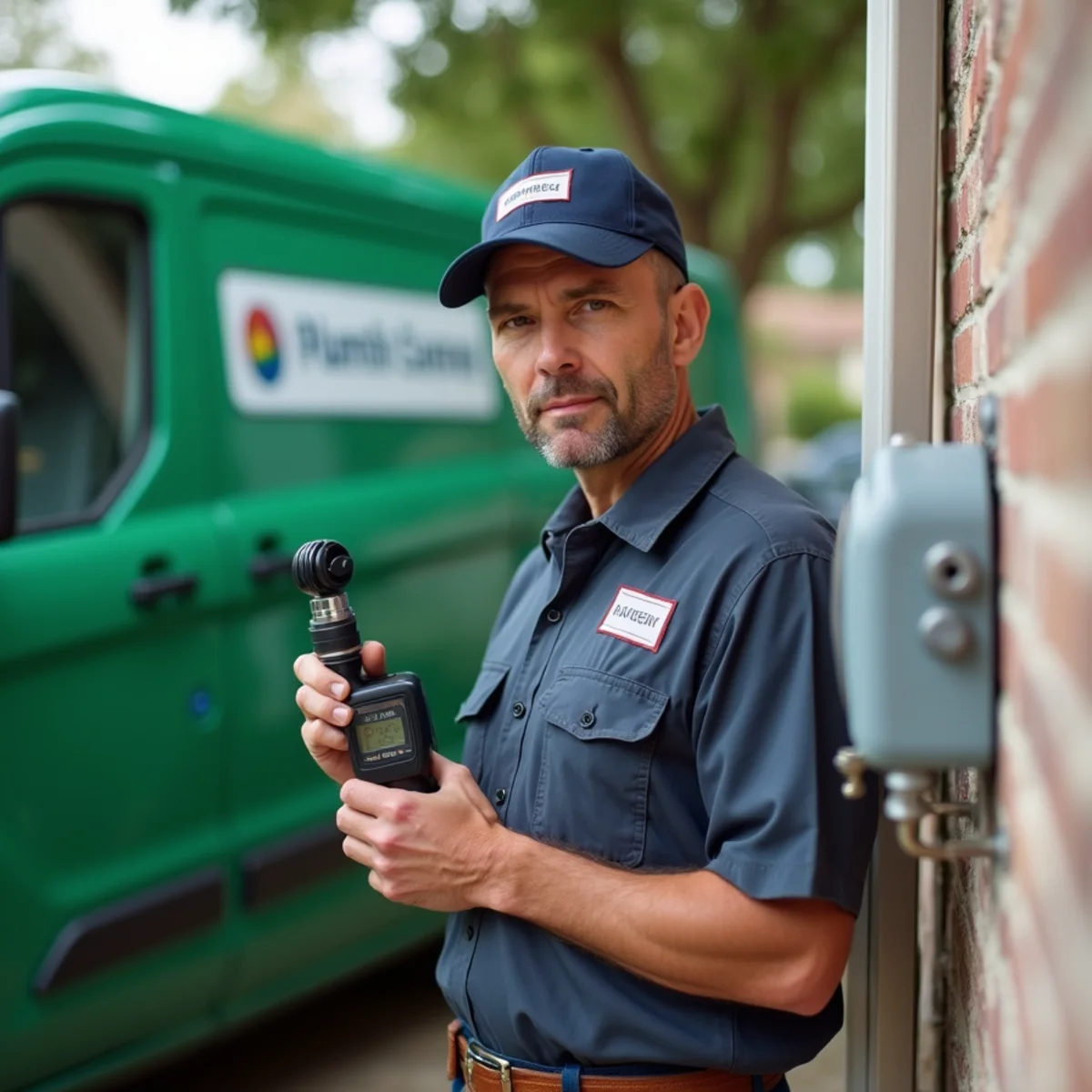
Once it is safe, we find the leak and repair it. Gas leaks show up at appliance connections, along interior gas lines, and in buried lines out to the meter, and each is handled differently. We use proper detection to pinpoint the source rather than guessing, repair or replace the affected line, and pressure-test the system to confirm it holds before gas service is restored.
Gas work is not a DIY job and it is not a job for a general handyman. It requires a licensed professional, and we are a licensed Texas Master Plumber shop that handles gas detection, repair, and line replacement 24/7 across Colleyville and Tarrant County. We do it to code, we document it, and we do not cut corners on something that can hurt people.
Act immediately if you notice
- A rotten-egg or sulfur smell anywhere in or around the home
- A hissing sound near a gas line, meter, or appliance
- A gas appliance that will not stay lit or burns with an odd flame
- Dead or dying vegetation in a line over a buried gas line
- Physical symptoms like dizziness or nausea that ease when you go outside
- A higher gas bill with no change in how you use gas
If you smell gas, do this first
Leave the house immediately with everyone inside. Do not flip light switches, use the phone indoors, light anything, or start a car in an attached garage, since a spark can ignite gas. From outside or a neighbor's, call the gas utility or 911. Do not go back in or restore gas until a professional says it is safe. Our gas-smell checklist walks through it step by step.
Where gas leaks come from
Most gas leaks start at a connection or in aging pipe. Appliance connectors loosen or corrode, threaded joints on interior lines weaken over time, and buried lines out to the meter can corrode or be damaged by ground movement and digging. Our expansive clay soil, which shifts with the seasons, is hard on buried lines the same way it is hard on water and sewer lines. Any new gas line work, like adding a gas line for a range or generator, should always be done and tested by a licensed pro for exactly this reason.
How we detect and repair
Locate the source
Once the property is safe, we use gas detection equipment and a careful inspection to find exactly where the leak is, whether it is an appliance connection, an interior line, or a buried run. Pinpointing it means we repair the actual problem instead of chasing symptoms.
Repair or replace the line
We repair the leaking connection or replace the failed section of pipe with proper materials and fittings. For a corroded buried line, that may mean replacing the run out to the meter. We do the work to code and pull permits where the city requires them.
Pressure-test before restoring service
The most important step: we pressure-test the system to confirm there are no remaining leaks before gas is turned back on. Gas is not something you restore on a hunch, and the test is what proves the repair is sound.
Why licensing matters on gas
Gas work carries real consequences when it is done wrong, from fire to carbon monoxide. Texas requires this work be performed by licensed professionals, and a Responsible Master Plumber carries the credential and liability coverage that stands behind the job. When you hire us, a licensed Texas Master Plumber is accountable for the safety of the repair, and you get documentation to prove the work was done right.
What Affects the Price
We quote every job after we see it — the figures below explain what moves the price up or down. You’ll always get a written scope before work starts.
Published DFW Benchmark
Gas line leak repair
$325–$1,500Research benchmark — not a quote
For reference, a typical DFW plumber visit runs $177–$469 (about $321 on average), and our diagnostic fee falls in the common $75–$165 range and is credited toward approved work. Emergency and after-hours calls may cost 1.5–2× standard rates.
- Where the leak is, whether an appliance connection, interior line, or buried run
- How much line has to be repaired or replaced
- Access to the leak, especially for buried lines requiring excavation
- Permits and inspection coordination with the City of Colleyville
- Pressure testing and any required utility coordination to restore service
- After-hours or emergency response timing
Ready to fix it right?
Licensed Colleyville plumbers, upfront pricing, same-day slots.
How We Handle Your Gas Leaks
Diagnosis first, then a written scope — no guessing, and no pressure to replace what can be repaired.
- 1Triage & safe shut-offWe review symptoms and gas safety and guide you to the main valve if needed.
- 2Inspect & testCamera inspection, pressure testing, or leak detection pinpoints the real cause.
- 3Explain the evidenceYou see what we found and the repair options before anything is approved.
- 4Written scope & upfront priceLabor, materials, permits, and cleanup itemized — permits pulled when required.
- 5Repair, clean & verifyWe complete approved work, test it, tidy up, and hand you photos and warranty terms.
Why Colleyville Homeowners Choose Us for Gas Leaks
You have plenty of plumbers to call. Here’s why neighbors keep our number on the fridge — and why our gas leak detection & repair work holds up.
Gas Leak Detection & Repair FAQs
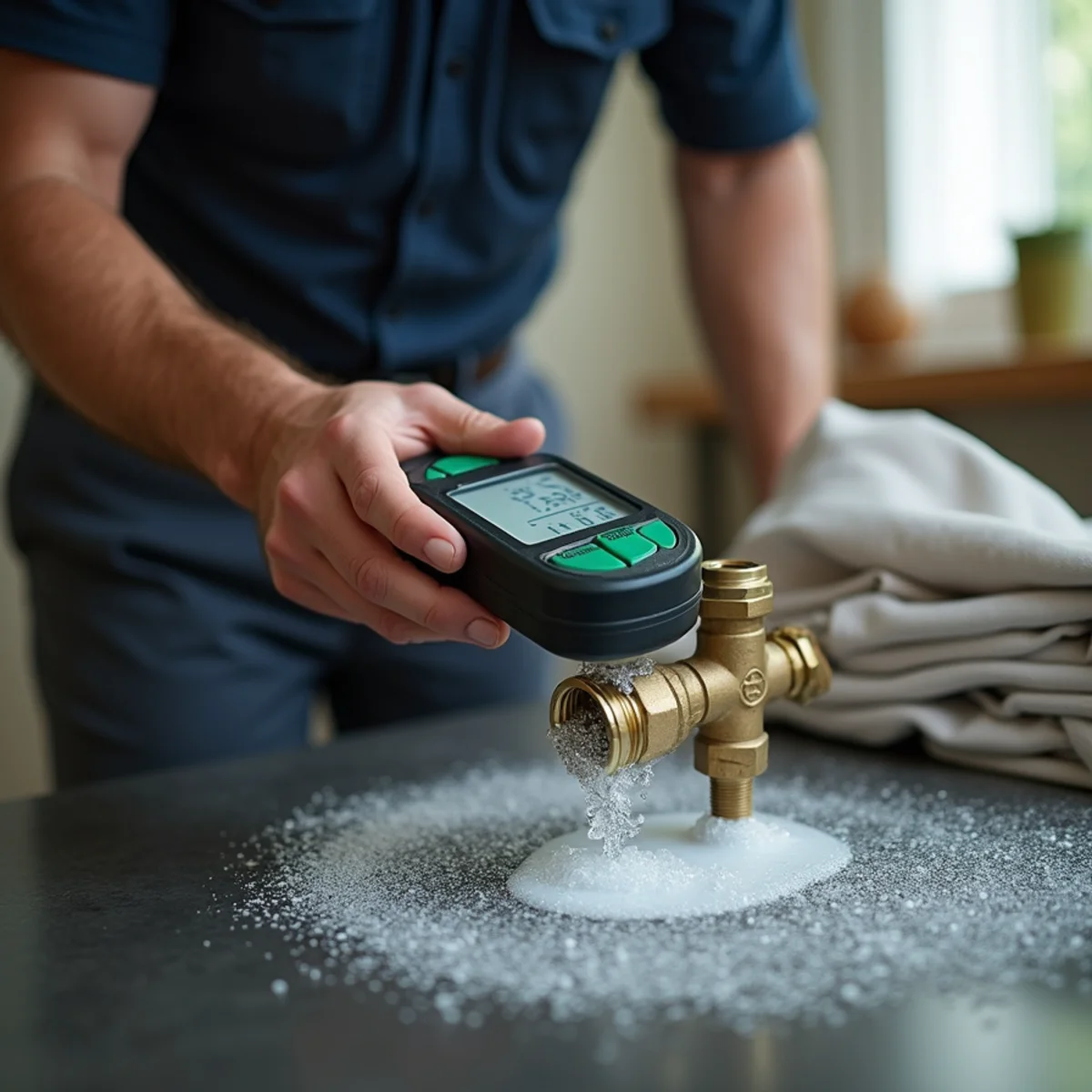
We use a calibrated combustible-gas detector to trace the line, plus a soap-solution test at fittings and a pressure test that isolates the leaking section. Once we locate it, we repair or replace that section and re-test the whole system before restoring service. If you smell gas now, leave first and call from outside.