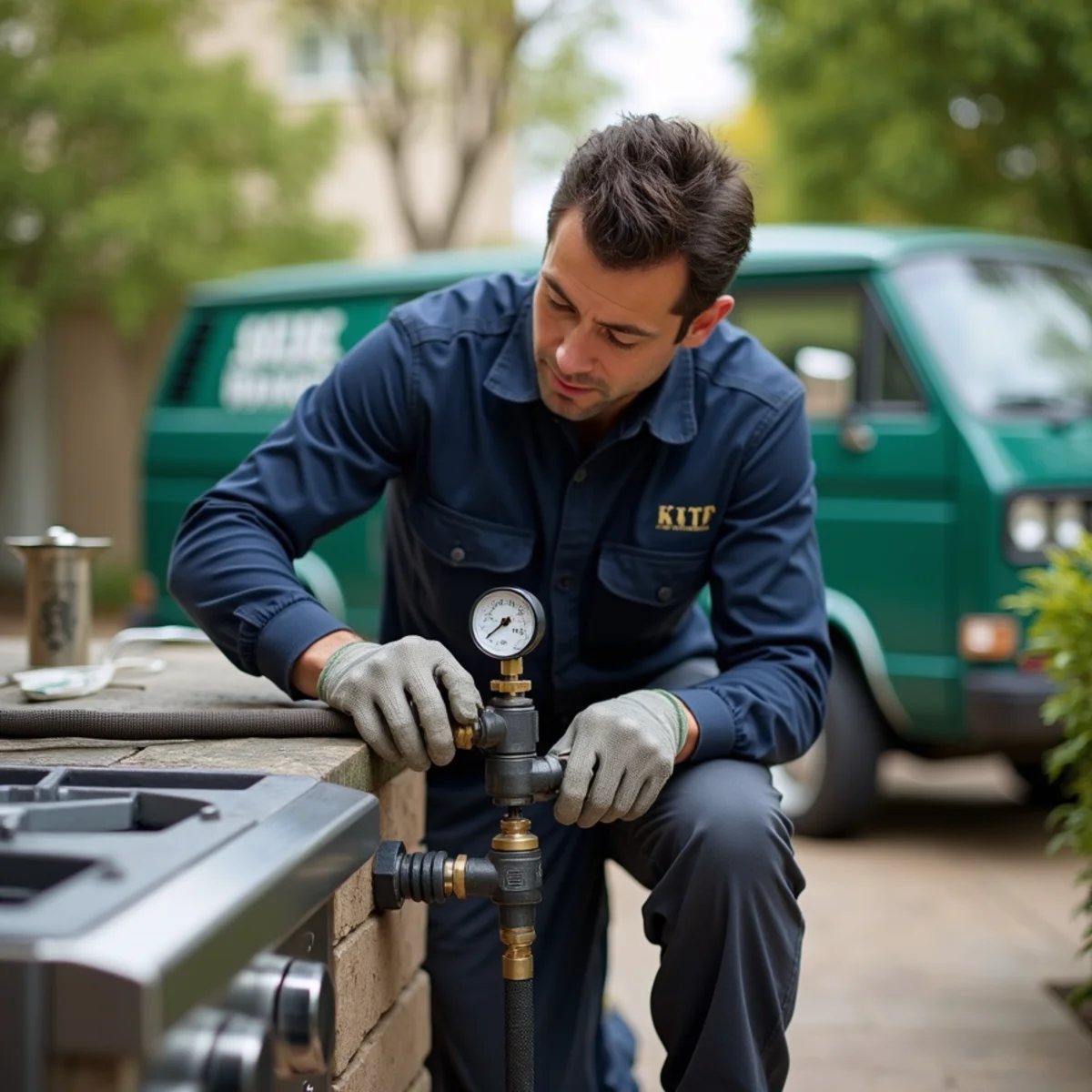
We install new gas lines and extend existing ones across Colleyville and Tarrant County for indoor appliances and outdoor features alike. We calculate the load so the line delivers enough gas for the appliance to run correctly, plan the route, run the pipe, and pressure-test the finished system to confirm it holds before it is put into service. Done right, you never think about it again.
As a licensed Texas Master Plumber shop, we do gas work to code and pull the permits, because a Responsible Master Plumber is who Texas holds accountable for this. That accountability is exactly what you want standing behind a line that carries natural gas through your home and yard.
Call us when you want to add
- A gas range, cooktop, or oven where none exists today
- A standby generator that runs on natural gas
- An outdoor kitchen, built-in grill, or fire pit
- A pool or spa heater fed by natural gas
- A gas dryer, fireplace, or patio heater
- A tankless water heater that needs a larger gas supply line
Why sizing is the whole game
Every gas appliance draws a certain amount of gas, measured in BTUs, and the line has to be sized to deliver that without starving the appliance or anything else on the system. Add a high-demand appliance to an undersized line and everything on it suffers, the range flame drops when the water heater fires, the generator underperforms, the pool heater struggles. We calculate the total demand and size the new line, and any upgrades to the existing system, so everything runs correctly.
This matters a lot for high-draw additions like generators and outdoor kitchens, and it is the same reason a gas tankless water heater usually needs a larger line. We plan the whole system, not just the branch to the new appliance.
How we install a gas line
Plan and size
We determine the appliance's demand, check whether your existing system can support it, and plan the route from the source to the new appliance using proper materials for indoor or buried outdoor runs.
Run the line
We run the pipe through walls, attics, or underground as the route requires, using materials rated for the application. Outdoor and buried lines have their own requirements, and we install them to handle our clay soil and the elements.
Pressure-test and connect
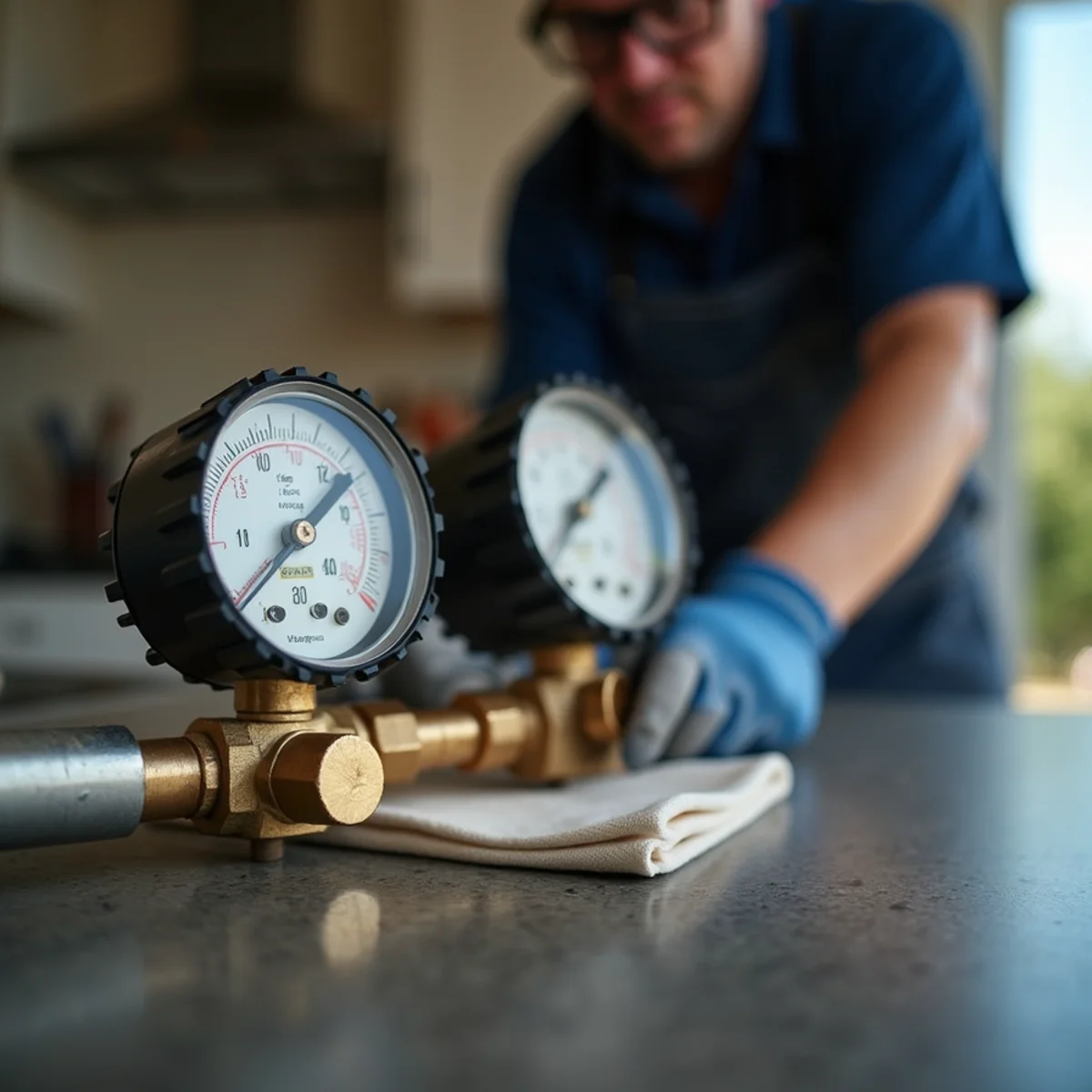
Before anything is connected or put into service, we pressure-test the new line to confirm it holds with no leaks. Only after it passes do we make the final connections and verify the appliance operates correctly. The test is non-negotiable, because it is what proves the line is safe.
Permitted and inspected, always
Gas line work requires a permit and inspection in Colleyville, and we handle both. This is not red tape for its own sake, an inspected gas line is a documented, verified-safe gas line, and it protects your home, your insurance, and the next owner. If you ever smell gas from any line, leave first and call our gas leak detection and repair team.
Why licensing is not optional here
Gas work carries fire and carbon-monoxide risk, and Texas requires it be done by licensed professionals for good reason. When a licensed Texas Master Plumber installs your gas line, you get correct sizing, code-compliant materials, a real pressure test, and a permit and inspection on record. Our gas-smell checklist is worth knowing regardless, but a properly installed line is your first line of defense.
What Affects the Price
We quote every job after we see it — the figures below explain what moves the price up or down. You’ll always get a written scope before work starts.
For reference, a typical DFW plumber visit runs $177–$469 (about $321 on average), and our diagnostic fee falls in the common $75–$165 range and is credited toward approved work. Emergency and after-hours calls may cost 1.5–2× standard rates.
- The length and route of the new line and whether it runs indoors or underground
- The appliance's gas demand and whether the existing system needs upsizing
- Materials required for the application, especially for buried outdoor runs
- How accessible the route is through walls, attic, or across the yard
- Permits and inspection coordination with the City of Colleyville
- Pressure testing and final connection of the appliance
- Any excavation and surface restoration for buried lines
Ready to fix it right?
Licensed Colleyville plumbers, upfront pricing, same-day slots.
How We Handle Your Gas Lines
Diagnosis first, then a written scope — no guessing, and no pressure to replace what can be repaired.
- 1Triage & safe shut-offWe review symptoms and gas safety and guide you to the main valve if needed.
- 2Inspect & testCamera inspection, pressure testing, or leak detection pinpoints the real cause.
- 3Explain the evidenceYou see what we found and the repair options before anything is approved.
- 4Written scope & upfront priceLabor, materials, permits, and cleanup itemized — permits pulled when required.
- 5Repair, clean & verifyWe complete approved work, test it, tidy up, and hand you photos and warranty terms.
Why Colleyville Homeowners Choose Us for Gas Lines
You have plenty of plumbers to call. Here’s why neighbors keep our number on the fridge — and why our gas line installation work holds up.
Gas Line Installation FAQs
Yes on both. New gas lines for a range, pool heater, generator, or outdoor kitchen require a City of Colleyville permit and inspection, which we handle. Every line we install is pressure-tested and verified leak-free before it is connected and put into service.