

We repipe with PEX or copper depending on your home, your water, and your preference, and we lay out the trade-offs honestly. Most of the work runs through walls, ceilings, and the attic, and a careful crew keeps wall openings small and in sensible places so drywall repair afterward is manageable. We plan the route, protect your home, and work in a way that keeps the water on as much as possible.
As a family-owned licensed Texas Master Plumber shop, we handle permits and inspections and treat your home like people are going to keep living in it during the work. Because they are.
Consider a repipe when you have
- Repeated pinhole leaks or slab leaks in the same aging system
- Polybutylene piping, which is prone to failure and worth replacing proactively
- Rusty, discolored, or metallic-tasting water from corroding pipes
- Low water pressure throughout the house that cleaning does not fix
- Pipes old enough that plumbers keep telling you they are near the end
- A remodel or slab leak that already exposes much of the system
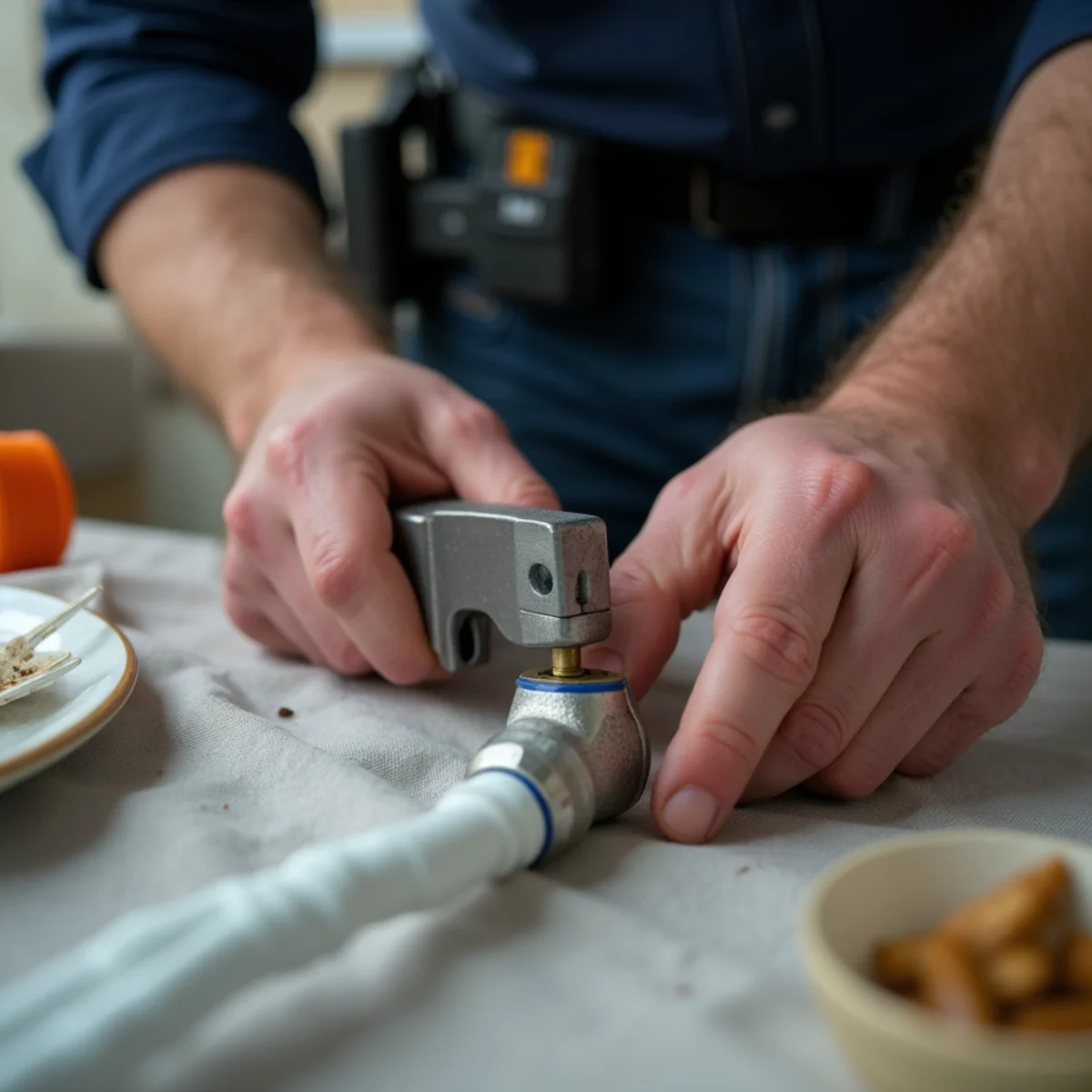
Why homes here reach the repipe point
A few things push North Texas homes toward repiping. Hard water is corrosive over decades, and it slowly eats copper from the inside, which is where pinhole leaks come from. Expansive clay soil stresses any lines run through the slab, so homes that keep having slab leaks are often better served by rerouting and repiping than by opening the concrete yet again. And a number of homes built in a certain era used polybutylene, a gray plastic pipe with a well-documented failure history that insurers and inspectors flag on sight.
When any of these adds up to a pattern of failures, the honest math usually favors a repipe. Our post on repiping cost in North Texas breaks down what drives the number so you can plan.
PEX or copper: choosing the material
PEX
PEX is flexible tubing that installs with fewer fittings, resists the corrosion that hard water inflicts on metal, and tolerates a freeze better because it can expand slightly before it bursts. Fewer joints means fewer potential leak points, and the flexibility lets us route around obstacles with smaller wall openings. For most repipes here, PEX is a strong default.
Copper
Copper is proven, rigid, and some homeowners simply prefer it. It handles heat well and has a long track record. The trade-offs are cost and its vulnerability to the same hard-water corrosion that ended your last system, which a water softener helps manage. We are glad to install either and will tell you which we would choose for your specific home.
A repipe is a planned project, not an emergency
The best repipes are scheduled, walked through, and staged so you know where the crew will open walls and how long the water is off each day. If you are only repiping because you keep getting surprised by burst pipes, doing it on purpose beats doing it in a panic every winter.
How we keep it clean
- We plan the pipe route to minimize the number and size of wall and ceiling openings
- We protect floors and furnishings and keep the work areas contained
- We stage the work so your water is restored at the end of each working day where possible
- We pull permits, pass inspection, and leave you documentation for your records
- We coordinate drywall repair points so patching afterward is straightforward
What Affects the Price
We quote every job after we see it — the figures below explain what moves the price up or down. You’ll always get a written scope before work starts.
Published DFW Benchmark
Whole-house PEX repipe
$4,500–$11,000Research benchmark — not a quote
For reference, a typical DFW plumber visit runs $177–$469 (about $321 on average), and our diagnostic fee falls in the common $75–$165 range and is credited toward approved work. Emergency and after-hours calls may cost 1.5–2× standard rates.
- The size of the home and the number of fixtures and bathrooms being served
- Material choice between PEX and copper
- How accessible the runs are through attic, walls, and slab versus tight or finished spaces
- Drywall and finish restoration after the new lines are in
- Permits and inspection coordination with the City of Colleyville
- Whether a slab reroute is part of the scope to avoid future under-slab leaks
- Code upgrades the work may trigger, such as new shutoffs or an updated pressure regulator
Ready to fix it right?
Licensed Colleyville plumbers, upfront pricing, same-day slots.
How We Handle Your Repiping
Diagnosis first, then a written scope — no guessing, and no pressure to replace what can be repaired.
- 1Triage & safe shut-offWe review symptoms and gas safety and guide you to the main valve if needed.
- 2Inspect & testCamera inspection, pressure testing, or leak detection pinpoints the real cause.
- 3Explain the evidenceYou see what we found and the repair options before anything is approved.
- 4Written scope & upfront priceLabor, materials, permits, and cleanup itemized — permits pulled when required.
- 5Repair, clean & verifyWe complete approved work, test it, tidy up, and hand you photos and warranty terms.
Why Colleyville Homeowners Choose Us for Repiping
You have plenty of plumbers to call. Here’s why neighbors keep our number on the fridge — and why our whole-house repiping work holds up.
Whole-House Repiping FAQs
Most homes are repiped in two to four days depending on size and how many bathrooms. You can usually stay - water is off only for short stretches, and we work section by section. We patch the access holes cleanly and leave the walls ready for paint.