
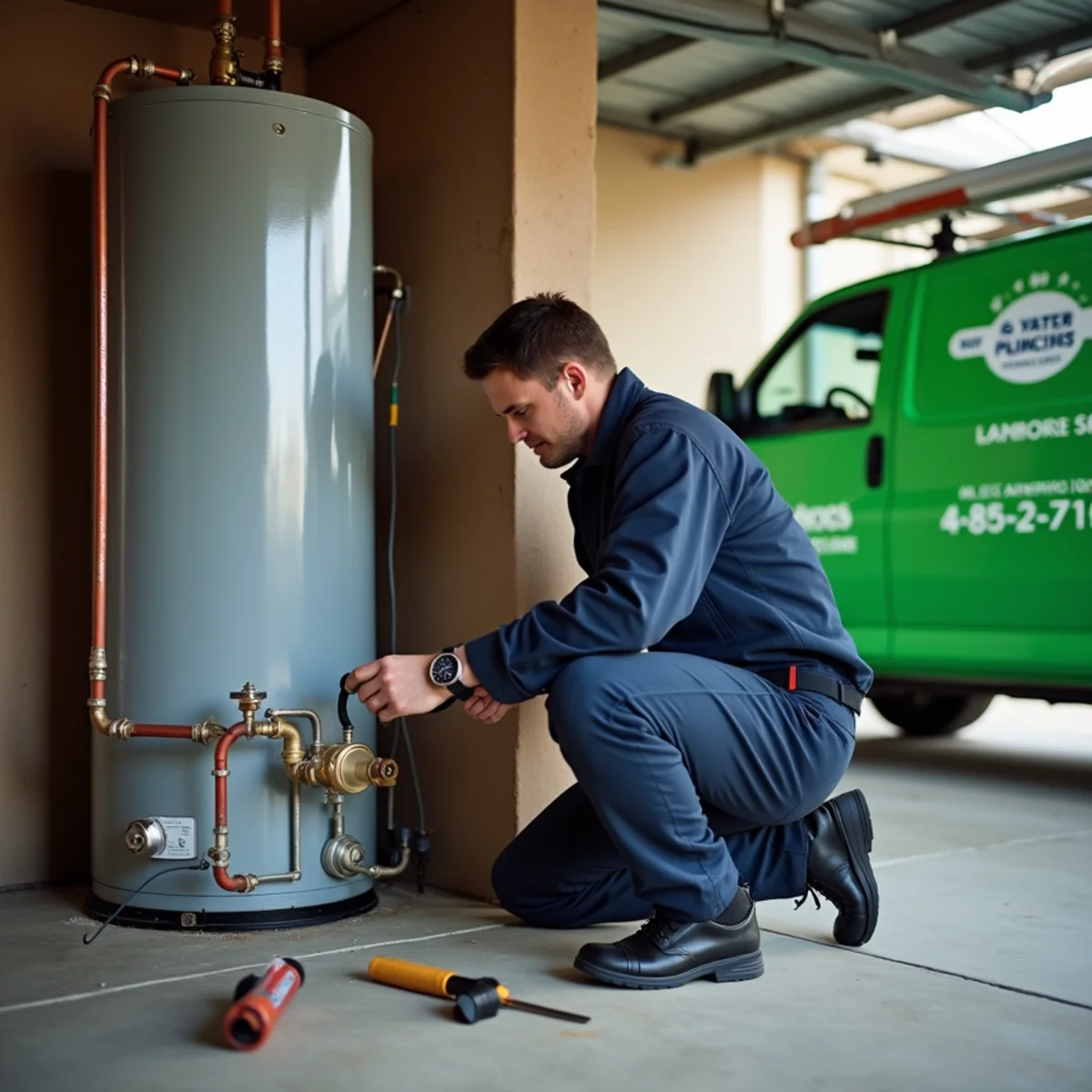
A lot of no-hot-water calls are genuinely repairs. A failed thermocouple, a tripped high-limit switch, a bad heating element, or a stuck gas valve are all fixable, and replacing the whole heater over one of those is a waste of your money. But when a tank is corroded through or well past its service life, we will tell you that too, and we keep common sizes on the truck so a same-day replacement is realistic.
Every install is done to code and permitted where the city requires it, with proper venting, an expansion tank, and a drain pan where one belongs. We are a licensed Texas Master Plumber shop, and we treat your utility closet like it is our own.
Call us when you notice
- No hot water, or hot water that runs out far faster than it used to
- Water pooling under the tank or rust-colored water at the tap
- Popping, rumbling, or knocking sounds from the tank
- A pilot light that will not stay lit or a burner that keeps shutting off
- The heater is more than 10 to 12 years old and acting up
- A visible leak from the tank body itself, not just a fitting
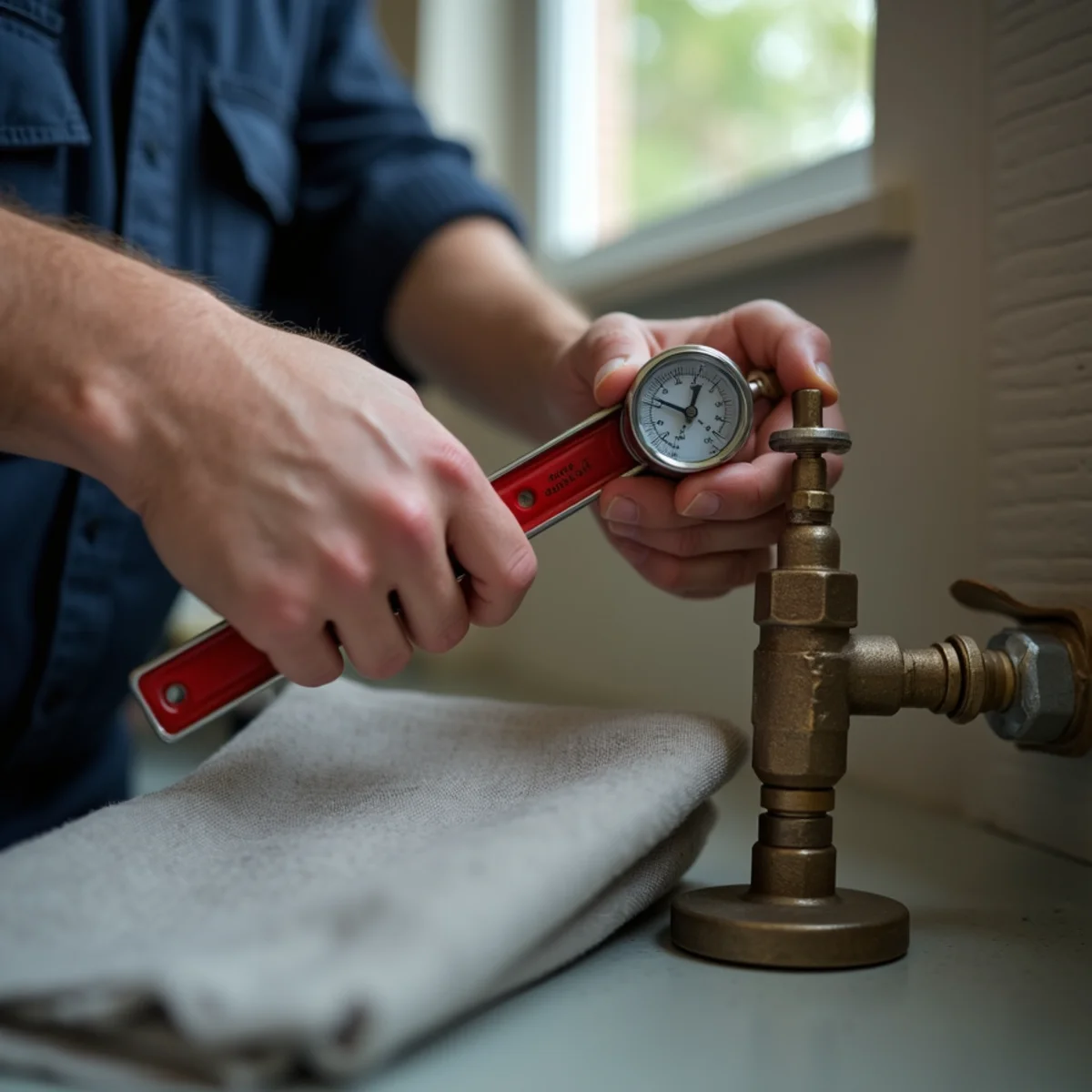
Why water heaters fail early around here
North Texas water is hard, and that is the single biggest reason tanks in this area do not reach the age printed on the warranty. Dissolved minerals settle to the bottom of the tank as sediment, bake into a crust over the burner, and force the heater to work longer for the same hot water. That is the rumbling you hear. Over time sediment accelerates corrosion and eats through the tank from the inside.
You can slow this down. Flushing the tank annually and keeping a healthy anode rod makes a real difference, and a whole-house softener protects the heater along with every other fixture. Our post on extending water heater life in hard water covers the maintenance that actually matters, and many homeowners pair a new heater with a water softener to protect the investment.
Repair or replace: how we decide
We look at the age of the unit, the specific failure, and the condition of the tank. A five-year-old heater with a bad element is an easy repair. A twelve-year-old tank leaking from the seam is done, and no repair will change that. We are honest about the line between the two because we would rather you trust us for the next twenty years than oversell you today.
When repair is the right call
- The tank body is sound and the failure is a serviceable part like a thermocouple, element, thermostat, or gas valve
- The unit is comfortably within its expected service life
- You flushed and maintained it and just hit a normal wear item
When replacement makes more sense
- The tank itself is leaking, which cannot be repaired
- The heater is past 10 to 12 years and facing a significant repair
- You want more capacity, better efficiency, or to switch to a tankless system
A leaking tank is a time problem
If you see water coming from the body of the tank, shut off the cold-water supply valve on top and, on a gas unit, turn the gas control to off. That buys you time before the seam fails completely. If it already burst, that is an emergency replacement and we can usually be out same-day.
What a clean install includes
A code-correct installation is more than swapping a box. We size the unit to your household, install a thermal expansion tank to protect the system from pressure spikes, verify the venting draws properly on gas units, add or confirm the drain pan and shutoff, and pull the permit when the city requires it. Cutting these corners is how you end up with the next problem sooner.
What Affects the Price
We quote every job after we see it — the figures below explain what moves the price up or down. You’ll always get a written scope before work starts.
Published DFW Benchmark
Tank water heater replacement
$1,500–$3,800Research benchmark — not a quote
For reference, a typical DFW plumber visit runs $177–$469 (about $321 on average), and our diagnostic fee falls in the common $75–$165 range and is credited toward approved work. Emergency and after-hours calls may cost 1.5–2× standard rates.
- Fuel type and size, since gas, electric, and high-capacity units differ in labor and parts
- Whether the job is a serviceable repair or a full replacement
- Code upgrades the install may trigger, like an expansion tank, new venting, or a drain pan
- Permit fees where the City of Colleyville requires one for the work
- Access to the unit, whether it sits in a garage, closet, or tight attic
- Haul-away and disposal of the old tank
- After-hours or emergency timing, which runs above published DFW benchmarks
Ready to fix it right?
Licensed Colleyville plumbers, upfront pricing, same-day slots.
How We Handle Your Water Heaters
Diagnosis first, then a written scope — no guessing, and no pressure to replace what can be repaired.
- 1Triage & safe shut-offWe review symptoms and gas safety and guide you to the main valve if needed.
- 2Inspect & testCamera inspection, pressure testing, or leak detection pinpoints the real cause.
- 3Explain the evidenceYou see what we found and the repair options before anything is approved.
- 4Written scope & upfront priceLabor, materials, permits, and cleanup itemized — permits pulled when required.
- 5Repair, clean & verifyWe complete approved work, test it, tidy up, and hand you photos and warranty terms.
Why Colleyville Homeowners Choose Us for Water Heaters
You have plenty of plumbers to call. Here’s why neighbors keep our number on the fridge — and why our water heater repair & installation work holds up.
Water Heater Repair & Installation FAQs
A tank heater typically lasts 8-12 years, but North Texas hard water shortens that by leaving scale that insulates the burner and corrodes the tank. Flushing it yearly and replacing the anode rod helps. If yours is over ten years old and leaking from the tank, replacement is almost always the right call.