
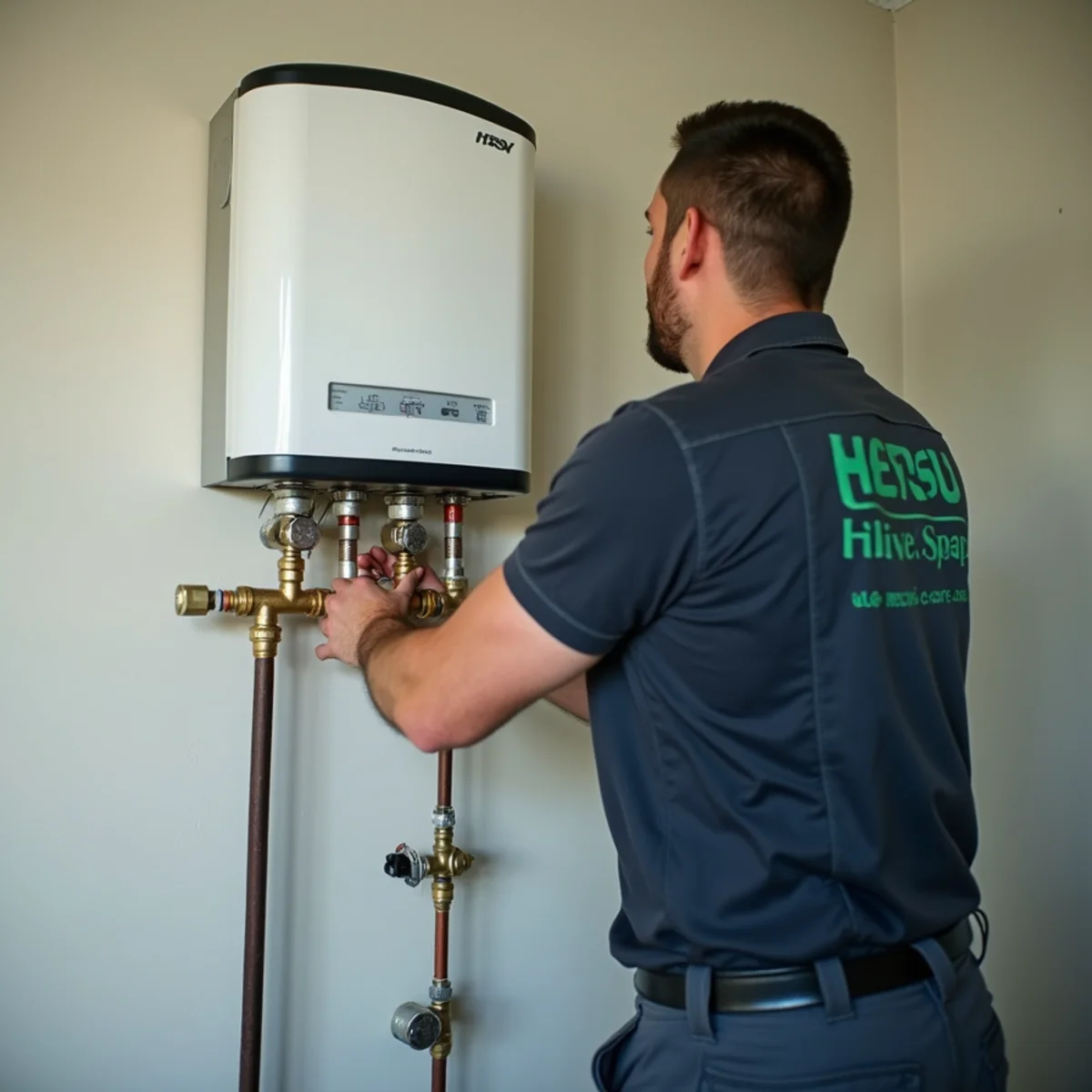
The catch is that tankless is not a drop-in replacement. Sizing it correctly for your household's peak demand is critical, and a gas tankless unit usually needs a larger gas line and new venting to feed its higher burner output. Done right, it performs beautifully. Done without those upgrades, it disappoints. We do the load calculation, address the gas and venting, and install it so it actually delivers.
We are a licensed Texas Master Plumber shop serving Colleyville and Tarrant County, and we give you an honest comparison of tankless versus a conventional tank for your specific home rather than pushing the more expensive option by default. Sometimes tankless is clearly worth it, and sometimes a quality tank is the smarter money. We will tell you which.
Consider tankless when you
- Run out of hot water during back-to-back showers or heavy use
- Want to reclaim the floor space a bulky tank takes up
- Are replacing an aging heater and want better efficiency
- Have a large home or high simultaneous hot-water demand
- Prefer a longer-lived unit and are willing to maintain it
- Want to stop paying to keep a tank hot when no one is using it
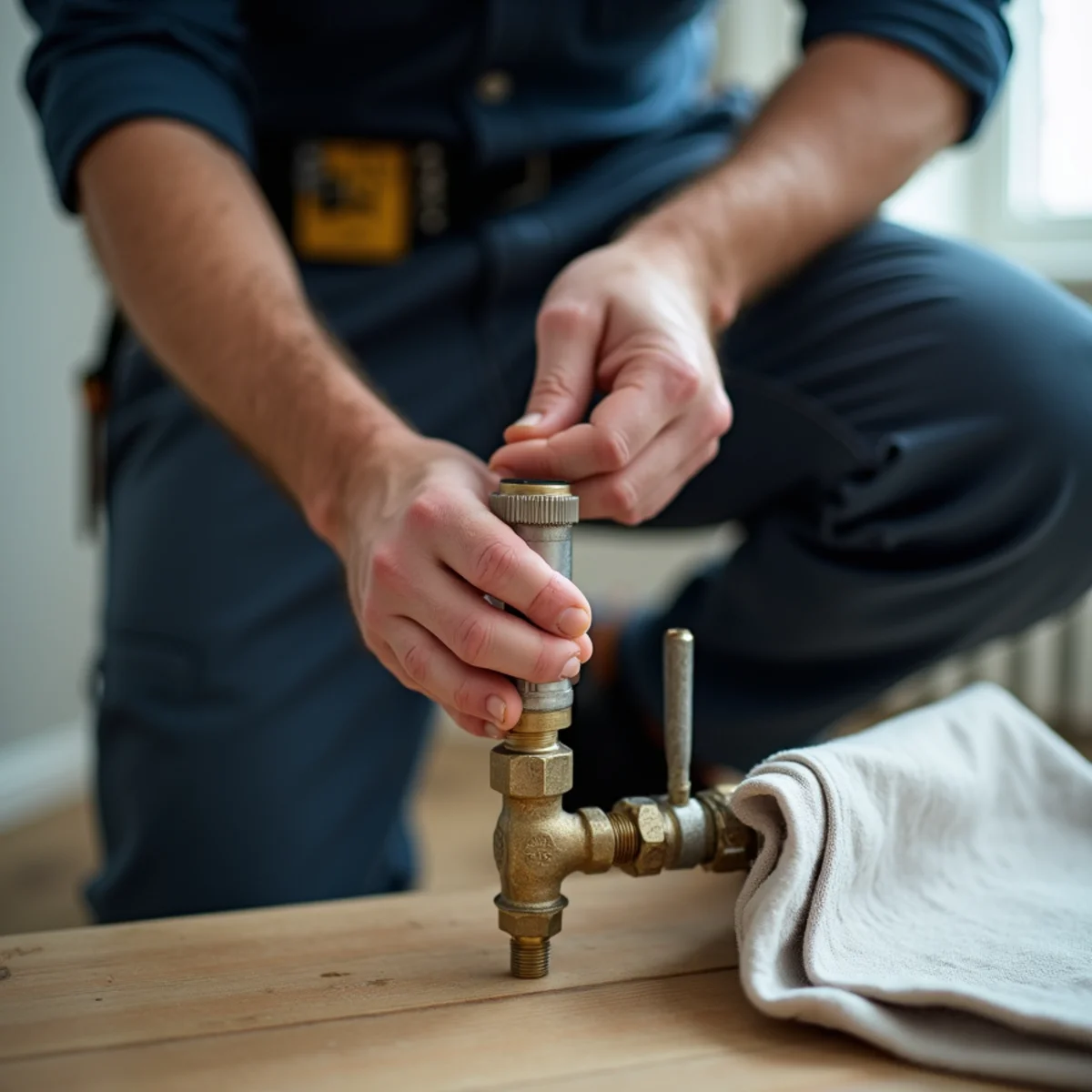
How tankless works and where it shines
A tankless unit heats water only when you open a hot tap, running it past a powerful heat exchanger on the way to the fixture. Because there is no stored tank to keep reheating, you are not paying to maintain temperature around the clock, and you do not run out mid-shower the way a tank does once it is drained. In a large home with high demand, that combination is the whole appeal.
The trade-offs are upfront cost and the need for correct sizing and supporting upgrades. A properly sized unit keeps up with your peak demand, several fixtures running at once, while an undersized one struggles. Our post on tankless versus tank water heater cost lays out the real numbers so you can weigh it honestly.
What a proper tankless install involves
Sizing for your peak demand
We calculate how much hot water your home needs at once, based on the number of fixtures and your usage, and size the unit to meet it. This is the step that separates a tankless that delights from one that frustrates.
Gas line and venting upgrades
A gas tankless unit fires at a much higher rate than a tank, so it typically needs a larger-diameter gas line and dedicated venting. We handle the gas line upgrade and venting as part of the job. Skipping these is the most common reason a tankless underperforms, so we do not skip them.
Code-correct installation
We mount and connect the unit, install the required venting and gas supply, add condensate handling where needed, and pull permits so the work is inspected and documented.
Hard water is the one thing to plan for
North Texas hard water scales the heat exchanger over time, which is a tankless unit's heart. Annual descaling keeps it running efficiently and protects its long life, and pairing it with a water softener reduces scale dramatically. We set you up for the maintenance so the unit actually reaches its 20-year potential.
Tankless or tank: the honest version
Tankless makes the most sense for larger homes with high or simultaneous demand, homeowners who value the space savings and efficiency, and those willing to keep up with descaling. For a smaller home or a tight budget, a quality conventional tank still does the job well. We give you the comparison for your home and your usage, not a one-size sales pitch.
What Affects the Price
We quote every job after we see it — the figures below explain what moves the price up or down. You’ll always get a written scope before work starts.
Published DFW Benchmark
Tankless water heater installation
$3,200–$6,800Research benchmark — not a quote
For reference, a typical DFW plumber visit runs $177–$469 (about $321 on average), and our diagnostic fee falls in the common $75–$165 range and is credited toward approved work. Emergency and after-hours calls may cost 1.5–2× standard rates.
- The size and capacity of the unit needed for your peak demand
- Gas line upgrades required to feed a gas tankless unit
- New venting and condensate handling the unit requires
- Whether this is a new install or a conversion from an existing tank
- Electrical work for an electric tankless model
- Permits and inspection coordination with the City of Colleyville
- Any water treatment added to protect the unit from hard-water scale
Ready to fix it right?
Licensed Colleyville plumbers, upfront pricing, same-day slots.
How We Handle Your Tankless
Diagnosis first, then a written scope — no guessing, and no pressure to replace what can be repaired.
- 1Triage & safe shut-offWe review symptoms and gas safety and guide you to the main valve if needed.
- 2Inspect & testCamera inspection, pressure testing, or leak detection pinpoints the real cause.
- 3Explain the evidenceYou see what we found and the repair options before anything is approved.
- 4Written scope & upfront priceLabor, materials, permits, and cleanup itemized — permits pulled when required.
- 5Repair, clean & verifyWe complete approved work, test it, tidy up, and hand you photos and warranty terms.
Why Colleyville Homeowners Choose Us for Tankless
You have plenty of plumbers to call. Here’s why neighbors keep our number on the fridge — and why our tankless water heater installation work holds up.
Tankless Water Heater Installation FAQs
Often, yes. Tankless units fire at a much higher BTU rate than a tank, so many Colleyville homes need a larger gas line and proper venting to run one safely. We size the gas supply, handle the venting, and pull the permit as part of the install - it is all in the written scope.