
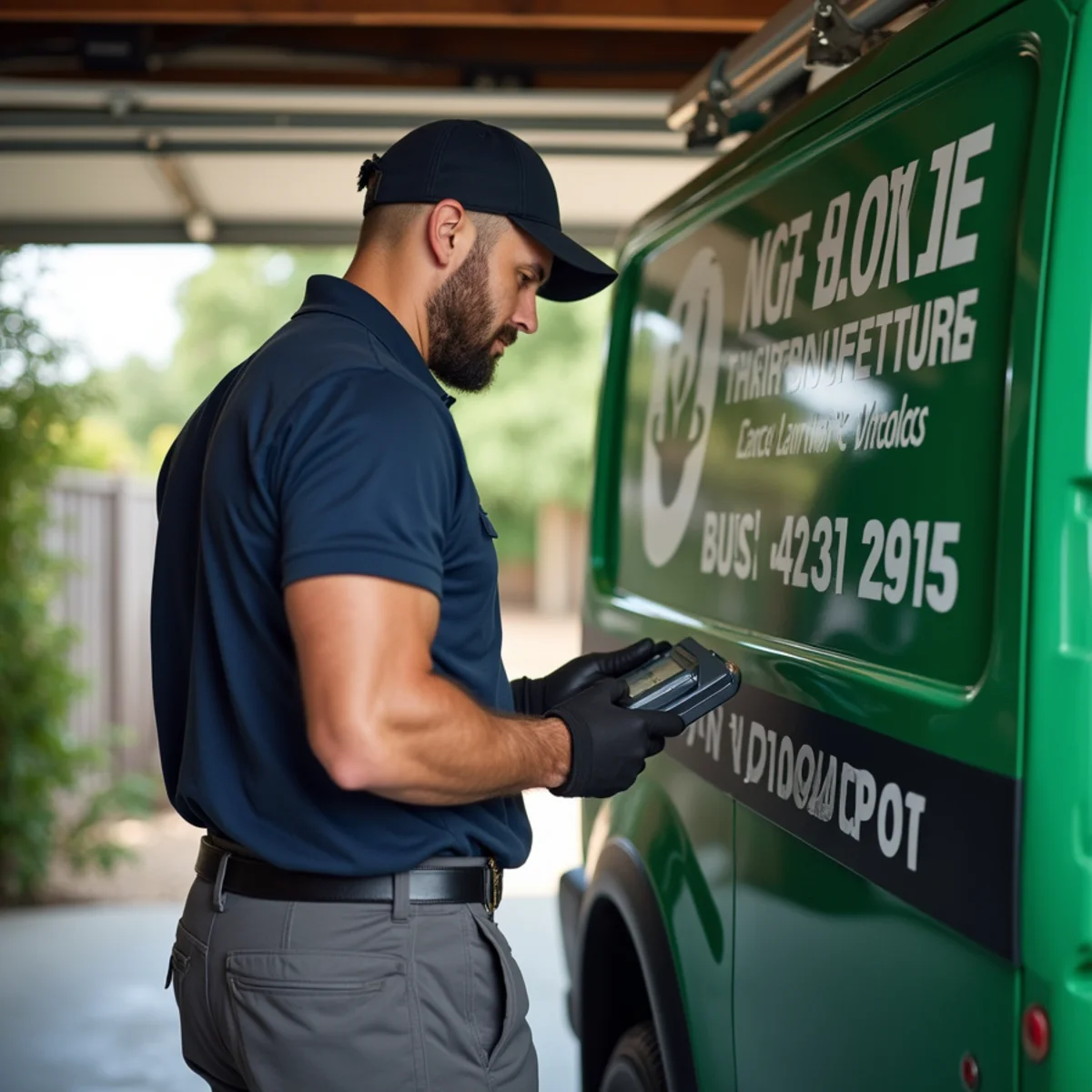
A water softener removes the calcium and magnesium that cause hardness, protecting your plumbing, extending the life of your water heater, and making soap actually lather. Filtration addresses taste, odor, chlorine, and sediment for cleaner water at every tap. Depending on what bothers you and what your water needs, we recommend a softener, filtration, or both, sized for your household.
We are a licensed Texas Master Plumber shop serving Colleyville and Tarrant County, and we install these systems the right way, at the point where water enters the home, so the whole house benefits. We are honest about what treatment your water actually needs rather than selling you the biggest system on the shelf.
Consider treatment when you notice
- White, crusty scale on faucets, showerheads, and fixtures
- Spots on dishes and glassware even after the dishwasher runs
- Soap and shampoo that will not lather, and a filmy feel after showering
- Water heaters and appliances that fail earlier than they should
- Dry skin and hair, or stiff, dingy laundry
- A taste or chlorine odor you would rather not drink
What hard water actually costs you
Hardness is dissolved calcium and magnesium, and as water heats and moves through your plumbing, those minerals drop out as scale. Inside a water heater, scale insulates the burner and forces it to work harder, which is why hard water shortens tank life and drives up energy use. Inside pipes and at fixtures, it restricts flow and builds the crust you scrub off the showerhead. Over years, hard water is quietly expensive.
This is a big reason water heaters and pipes fail earlier here than the warranties suggest. Our post on Tarrant County hard water and your pipes covers the damage in detail, and treating the water is one of the best ways to protect a new water heater or a fresh repipe.
Softening versus filtration
Water softeners
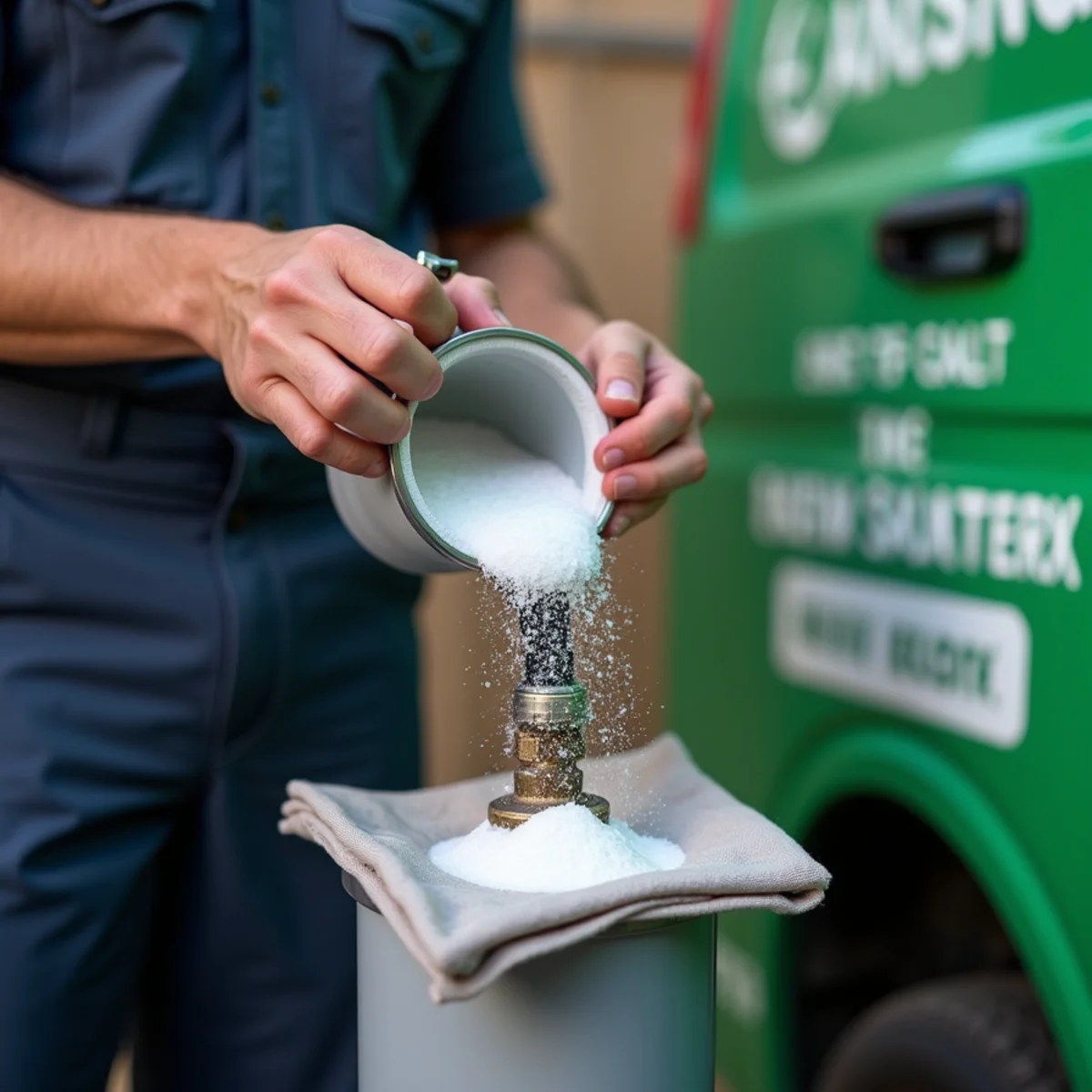
A softener uses an ion-exchange process to swap the hardness minerals out of your water, so scale stops forming. This is the system that protects your plumbing and appliances, ends the spots and film, and makes soap lather. It is the workhorse for hard-water problems.
Filtration
Filtration targets what a softener does not: chlorine taste and odor, sediment, and other contaminants that affect how the water tastes and feels. Some homeowners add a dedicated drinking-water filter at the kitchen for that final polish. We match the filtration to what your water and your preferences call for.
Treatment protects everything downstream
Installing a softener when you replace a water heater or repipe is smart timing, because the new equipment starts its life protected from the scale that shortened the last one. If you are already investing in tankless or copper, softening the water protects that investment for years.
How we install and size it
We install the system at the point where water enters the home, so every tap benefits, and we size it to your household's water use so it regenerates efficiently without wasting salt or water. We handle the plumbing connections, the drain for regeneration, and any bypass so servicing is simple. Then we walk you through the maintenance, which for most softeners is just keeping the salt topped up.
What Affects the Price
We quote every job after we see it — the figures below explain what moves the price up or down. You’ll always get a written scope before work starts.
For reference, a typical DFW plumber visit runs $177–$469 (about $321 on average), and our diagnostic fee falls in the common $75–$165 range and is credited toward approved work. Emergency and after-hours calls may cost 1.5–2× standard rates.
- The type of system, whether a softener, filtration, or both
- The size and capacity needed for your household water use
- Plumbing modifications required to tie the system in at the main
- Whether a drain for regeneration is readily accessible
- Adding a dedicated drinking-water filter at the kitchen
- The quality and features of the equipment you choose
Ready to fix it right?
Licensed Colleyville plumbers, upfront pricing, same-day slots.
How We Handle Your Water Treatment
Diagnosis first, then a written scope — no guessing, and no pressure to replace what can be repaired.
- 1Triage & safe shut-offWe review symptoms and gas safety and guide you to the main valve if needed.
- 2Inspect & testCamera inspection, pressure testing, or leak detection pinpoints the real cause.
- 3Explain the evidenceYou see what we found and the repair options before anything is approved.
- 4Written scope & upfront priceLabor, materials, permits, and cleanup itemized — permits pulled when required.
- 5Repair, clean & verifyWe complete approved work, test it, tidy up, and hand you photos and warranty terms.
Why Colleyville Homeowners Choose Us for Water Treatment
You have plenty of plumbers to call. Here’s why neighbors keep our number on the fridge — and why our water filtration & softener systems work holds up.
Water Filtration & Softener Systems FAQs
A softener removes the calcium and magnesium that cause North Texas hard-water scale, protecting your pipes, heater, and fixtures. A filtration system targets taste, odor, chlorine, and sediment. Many Colleyville homes benefit from both, and we can size a combined system to your water and household.