Prevention
Irrigation Tie-Ins and Backflow: Protecting Your Home's Water Supply
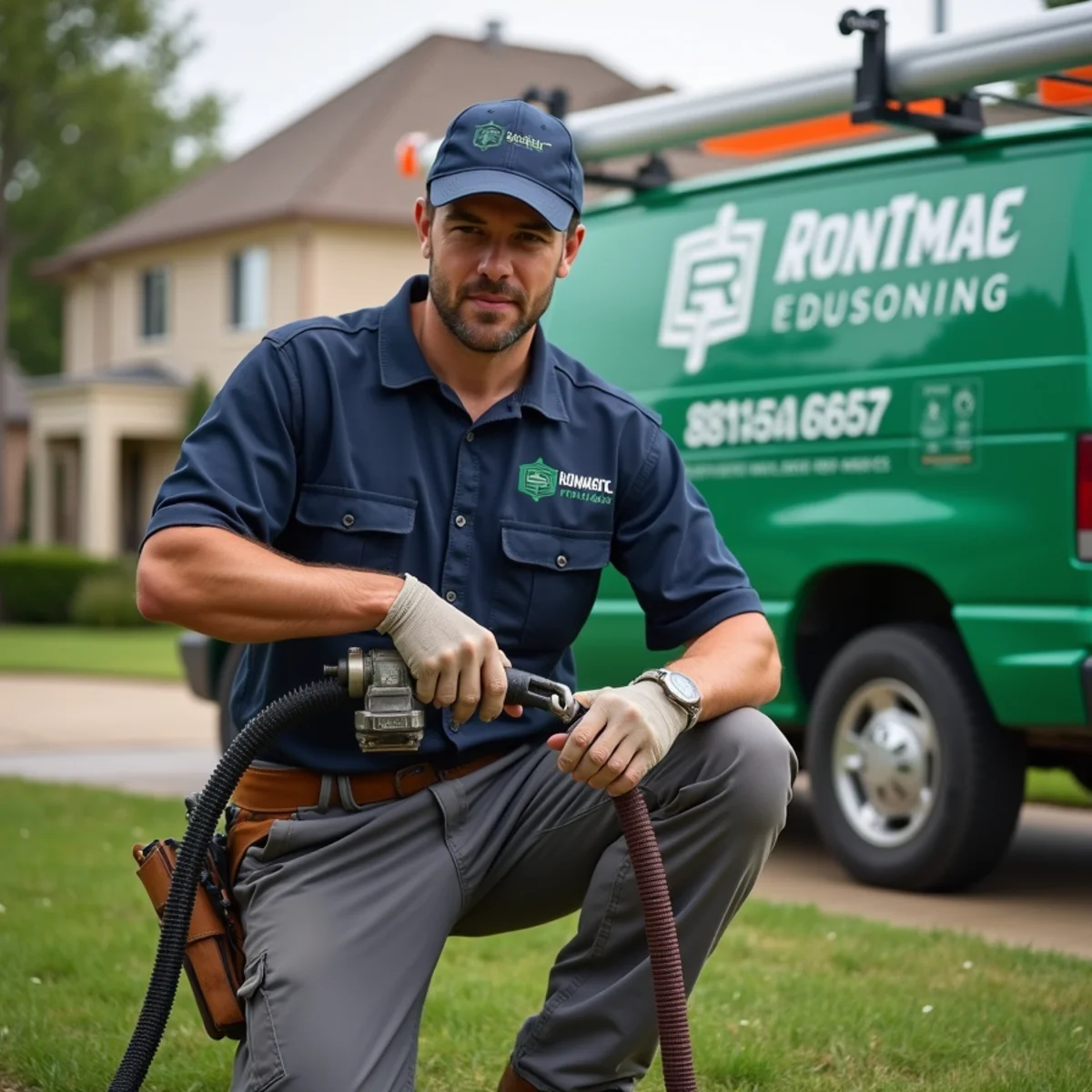
Your irrigation system taps into the same water line that feeds your kitchen faucet. That connection is convenient, and it is also a hazard, because sprinkler water sits in pipes among fertilizer, pesticide, and whatever is on the lawn. The only thing keeping that water from flowing backward into your drinking supply is a small brass device called a backflow preventer. Most homeowners never think about it. When it fails, the consequences are exactly as bad as they sound.
What Backflow Actually Is
Water is supposed to flow one way: from the city main into your home and out to your fixtures and sprinklers. Backflow is when that direction reverses and contaminated water gets pulled or pushed back toward the clean supply. It happens two ways. Back-siphonage occurs when supply pressure drops suddenly, a water main break or heavy demand nearby, and the drop creates suction that draws water backward, like sipping through a straw. Back-pressure happens when pressure downstream, such as from an irrigation pump, exceeds the supply and forces water back the wrong way.
The point where your irrigation system connects to your home's water is called a cross-connection, the exact spot where lawn water could enter drinking water. The backflow assembly is what stands guard there.
How the Backflow Assembly Protects You
A backflow prevention assembly uses check valves and, in higher-hazard setups, relief mechanisms to physically block reverse flow. If pressure reverses, the valves close and the assembly vents, so contaminated irrigation water cannot cross back into your supply. It is a purely mechanical safeguard, which is both its strength and its weakness: it works without power or attention, but it has moving parts, springs, and seals that wear out and stick, especially in our hard water.
A failed preventer gives no warning
A backflow device can fail silently. There is no drip, no alarm, and no change at the tap. The only way to know it still protects you is to have it tested. That is why annual testing exists.
Why Annual Testing Matters
Because a backflow assembly protects public health and shows no outward sign when it fails, testing is required. Many Texas water suppliers and municipalities mandate annual backflow testing on irrigation systems, performed by a licensed tester, with results filed with the water provider. A test checks that the check valves hold and the relief works under reverse pressure. If the device fails, it gets repaired or replaced, then retested. Skipping it is not just a safety gamble; in many jurisdictions it is a code violation that can put your water service at risk.
- Testing confirms the check valves and relief still hold against reverse flow.
- It is required annually by many North Texas water suppliers.
- A licensed tester files the results with your water provider.
- A failed device is repaired or replaced, then retested before it passes.
Irrigation Leaks and Cross-Connection Risks
Beyond backflow, the irrigation tie-in itself deserves attention. A leak on the irrigation line can quietly waste enormous amounts of water and, in expansive clay, feed soil movement right next to your foundation. Signs include a spike in your summer water bill, soggy spots in the yard when the system is off, and low pressure in the sprinklers. Because the irrigation system shares your supply, a leak or a failed valve there is a whole-home concern, not just a lawn problem.
When irrigation ties into the main, or when new outdoor lines are run, the connections have to be done correctly and to code. That work overlaps with our gas line installation crews' expertise in safe, code-compliant outdoor line work, and it pairs naturally with protecting your indoor water quality through water filtration and softener systems that keep scale from fouling valves and fixtures.
Hard Water Is Rough on Backflow Devices
There is a local wrinkle worth calling out. Tarrant County's hard water is not kind to the small springs, seats, and rubber seals inside a backflow assembly. Mineral scale collects on those parts and makes check valves stick, either failing to close when they should or failing to reopen, which can also choke your sprinkler pressure. That is one reason devices here fail more often than the label lifespan suggests, and another reason the annual test is not a formality. A tester who knows North Texas water will look specifically for scale-fouled internals, and a device that keeps failing on scale is a signal to look at your water treatment too.
Protect the Device Over Winter
Most residential backflow assemblies sit above ground, exposed, which means they freeze. A hard North Texas freeze can crack the brass body and split the internals, and you will not know until spring when it fails a test or sprays water. Before the first freeze, shut off the irrigation supply, drain the assembly, and insulate it. It is the same freeze-proofing logic that applies to hose bibs, and skipping it turns a code-required device into a spring repair bill.
Keep the Safeguard Working
The backflow preventer is one of those devices that does its job invisibly until it does not. Homeowners across Flower Mound and the Mid-Cities count on annual testing to keep their drinking water protected and their systems in compliance. If your irrigation backflow device is due for testing, or you suspect an irrigation leak, call our licensed team at (831) 290-4327. We will test the assembly, file the results, and handle any repair the same day where we can.
Need a licensed plumber in Colleyville?
Average arrival under 60 minutes in Northeast Tarrant County. Upfront pricing, 24/7.
Frequently Asked Questions
Many North Texas water suppliers and municipalities require annual backflow testing on irrigation systems by a licensed tester, with results filed with the provider. Requirements vary by jurisdiction, so confirm with your water supplier.